Contour: The Font That Elevates Your Brand
The Power of a Strong Typeface in Branding
As a small business owner, you know that every detail matters. From your logo to your website, the visual elements you choose help shape how your brand is perceived. One often-overlooked element is typography. A well-chosen font can make your brand look more professional, consistent, and trustworthy—key factors in building customer loyalty.
What Is Contour?
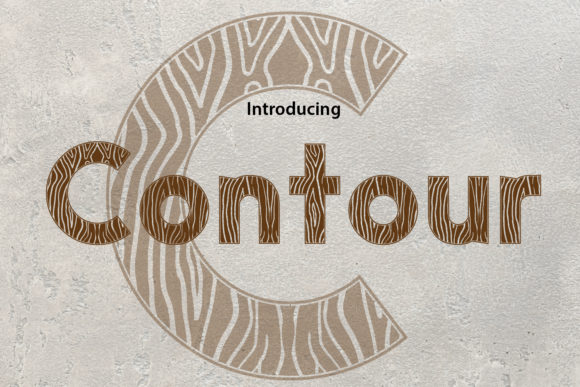
Contour is a bold and thick lettered display font designed to make a statement. Its strong, clean lines and commanding presence make it ideal for a wide range of applications. Whether you're creating packaging, social media content, or website visuals, Contour adds a touch of modernity and strength that aligns with nature, wood, and wildlife themes.
This font isn’t just visually striking—it’s also versatile. Its design allows it to work across various mediums, from print to digital, ensuring your brand remains cohesive no matter where it appears.
How Contour Enhances Your Brand Identity
Consistency is key in branding. When you use the same font across all your materials—business cards, packaging, social media posts, and websites—you create a recognizable identity that customers can trust.
Contour helps achieve this consistency while adding personality. Its bold style makes it perfect for logos and headlines, helping your brand stand out in a crowded market. It’s especially useful for businesses that want to convey strength, natural beauty, or a connection to the environment.
Real-World Applications of Contour
Let’s explore how Contour can be used in different aspects of your business:
- Logos: Contour’s boldness makes it an excellent choice for a logo, especially for brands in the nature, wood, or handmade product space.
- Product Labels: Whether you’re labeling candles, skincare products, or artisanal goods, Contour adds a premium feel that elevates your packaging.
- Menu Design: For cafes or restaurants, Contour can be used as a headline font to draw attention to special offers or menu items.
- Social Media Graphics: Use Contour for Instagram posts, Pinterest graphics, or Facebook banners to create eye-catching visuals that align with your brand voice.
- Website Banners: Its strong visual impact makes Contour ideal for website headers or promotional banners.
- Thank-You Cards and Stickers: Contour brings a sense of professionalism and creativity to these small but important touchpoints.
Choosing the Right Use Case for Contour
While Contour is a display font, its versatility means it can be used in multiple ways depending on your needs:
- Headline Font: Use Contour for titles, headlines, or key messages where you want to make an impact.
- Logo Font: Ideal for creating a memorable and strong brand identity.
- Accent Font: Pair Contour with a simpler sans-serif font for contrast and balance.
- Supporting Typeface: Use it in smaller text to add character without overwhelming the reader.
Remember, the goal is to maintain readability and clarity, even when using a bold font like Contour. Always test how it looks on different sizes and backgrounds before committing to it across your entire brand.
Pairing Contour with Other Fonts
Font pairing is a powerful way to enhance your brand’s visual appeal. Contour works well with both serif and sans-serif fonts, depending on the mood you want to convey:
- Pair with a Clean Sans Serif: For a modern, minimalist look, pair Contour with a simple sans-serif font like Montserrat or Open Sans.
- Pair with a Readable Serif: If you want to add warmth and elegance, consider pairing Contour with a classic serif like Georgia or Playfair Display.
These combinations allow you to maintain a strong visual identity while ensuring your message remains clear and approachable.
Readability Matters
Even though Contour is a bold and expressive font, readability should never be compromised. When using it in small labels, mobile screens, or printed packaging, ensure there’s enough contrast between the text and background.
Testing your designs in real-world scenarios is essential. How does Contour look on a coffee cup label? Does it remain legible on a social media thumbnail? These are practical questions that will help you make informed decisions about your typography choices.
Using Contour in Your Business
Before you use Contour on your products, packaging, or client work, always check the commercial font licensing. Ensuring you have the right permissions is crucial, especially if you plan to sell digital downloads or use the font on merchandise.
Contour is more than just a font—it’s a tool that helps you build a stronger, more consistent brand. By choosing the right typeface, you’re making a statement about who you are as a business and what you stand for.